Smoked Brisket: 7 Proven Steps for Tender, Juicy BBQ
Smoked brisket is one of the most loved dishes in American barbecue, but it is also one of the easiest to get wrong. Brisket comes from the lower chest of the cow, so it is full of muscle, fat, and connective tissue. That is why it needs low heat, enough smoke, and plenty of time. Cook it right, and you get juicy slices, rich beef flavor, and a dark bark. Cook it badly, and you get dry, tough meat. This guide shows you how to choose the right brisket, smoke it at the right temperature, rest it properly, and slice it the right way.
How to Smoke Brisket Successfully
Smoke brisket at 225°F to 250°F. Wrap it once the bark is set, often around 150°F to 165°F. Finish when it feels probe tender, which often happens around 195°F to 205°F. Then rest it for at least 1 hour, though 2 hours is even better, and slice it against the grain. Those steps give you the best shot at tender, juicy brisket with a good bark.
What Cut Is Best for Smoked Brisket?
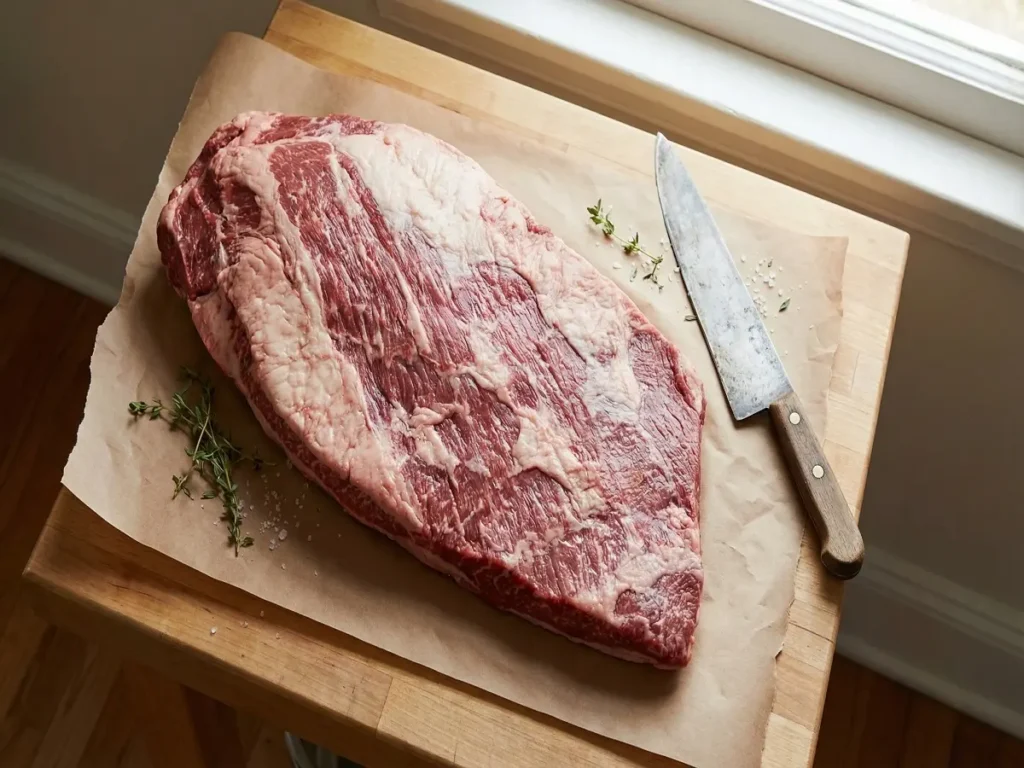
It includes both muscles: the flat, which is leaner and slices neatly, and the point, which has more fat and usually turns out juicier. For most home cooks, Choice grade is a smart starting point, while Prime is more forgiving if your budget allows it. A 10 to 14 pound packer is a good size for beginners because it is easier to manage than a very large brisket. At the store, look for solid marbling, a brisket that bends a bit when lifted, and a flat that is not too thin at the end.
Ingredients and Best Wood for Smoked Brisket
The classic brisket setup is simple: beef brisket, kosher salt, and coarse black pepper. Many cooks also add garlic powder for an SPG blend. A light coat of yellow mustard can help the rub stick, but it is optional. Some cooks also use beef tallow during wrapping or a light spritz early in the cook.
For wood, oak is the classic choice because it gives balanced smoke that suits beef well. Hickory is stronger, pecan is rich but smoother, and cherry works well in a blend because it adds color and a milder sweetness. If you are new to brisket, oak or oak mixed with cherry is a safe place to start. This wood guidance aligns with common U.S. barbecue practice reflected in major brisket guides.
Tools, Trim, and Seasoning
You need a smoker or grill that can hold steady heat, a leave-in thermometer, butcher paper or foil, a sharp knife, a large cutting board, and a cooler for resting. Stable heat and accurate temperature tracking matter more than fancy gear.
Before cooking, trim off the hard fat that will not render well. Leave about 1/4 inch of fat cap and clean up thin edges so the brisket cooks more evenly. Then season it generously. Brisket is a large cut, so a light sprinkle is usually not enough. If you have time, season it ahead and let it sit overnight in the fridge. That helps salt work deeper into the surface.
Step-by-Step Smoked Brisket Method
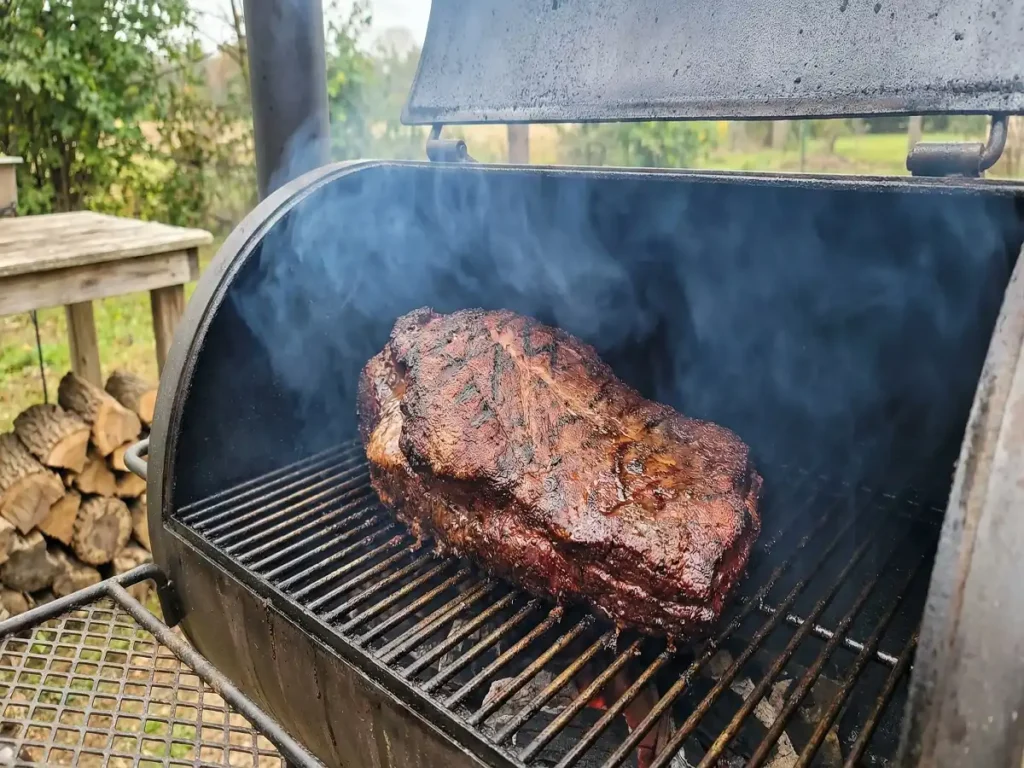
Start by heating your smoker to 225°F to 250°F. Put the brisket on the grate and smoke it unwrapped so the bark can form. As it cooks, watch both the color and the internal temperature. When the bark looks dark and set, and the meat reaches about 150°F to 165°F, wrap it in butcher paper or foil. Then return it to the smoker and cook until a probe slides into the flat with very little resistance. After that, rest the brisket before slicing.
Smoked Brisket Time and Temperature Chart
Brisket time always varies because shape and thickness matter a lot. Still, a planning chart helps.
| Brisket Size | Smoker Temp | Wrap Window | Finish Range | Rest Time |
| 10 lb | 225°F to 250°F | 150°F to 165°F | 195°F to 205°F | 1 to 3 hours |
| 12 lb | 225°F to 250°F | 150°F to 165°F | 195°F to 205°F | 1 to 3 hours |
| 15 lb | 225°F to 250°F | 150°F to 165°F | 195°F to 205°F | 2 to 4 hours |
Use this as a planning guide, not a strict rule. A thick 12-pound brisket can cook more slowly than a thinner 15-pound one, so give yourself a time buffer and plan around the rest period, too.
The Brisket Stall and When to Wrap
The stall is the phase where brisket seems stuck, often between 150°F and 165°F. This happens because surface moisture evaporates and cools the meat, slowing the temperature rise. That is normal. If the bark is still pale, wait a bit longer. If the bark looks good, wrap the brisket. Wrapping speeds up the cook and helps protect moisture.
Butcher Paper vs Foil for Brisket
Butcher paper helps keep a firmer bark because it breathes more. Foil traps more steam, so it usually cooks faster and holds more moisture, but it can soften the bark. Foil is also easier for beginners because it is simple to wrap and widely available. If you want the easiest path, use foil.
How to Tell When Brisket Is Done
This is where many people slip up. From a food safety view, beef roasts are safe at 145°F with a 3-minute rest. But barbecue brisket is different. At that point, it is safe, but it will still be tough because the connective tissue has not broken down enough. That is why brisket usually finishes much higher.
The better test is probe tenderness. A brisket often finishes around 203°F, but that number is common, not magical. Some are ready a little earlier, some later. Check the flat closely because it is leaner than the point and usually tells you more about doneness.
How Long to Rest and How to Slice Smoked Brisket
Resting brisket is part of the cook, not an afterthought. A short counter rest works if you are in a hurry, but a cooler hold yields better results when you can take the time. A longer rest helps the juices settle and gives cleaner slices. In most cases, the best serving window begins at least 1 hour after rest.
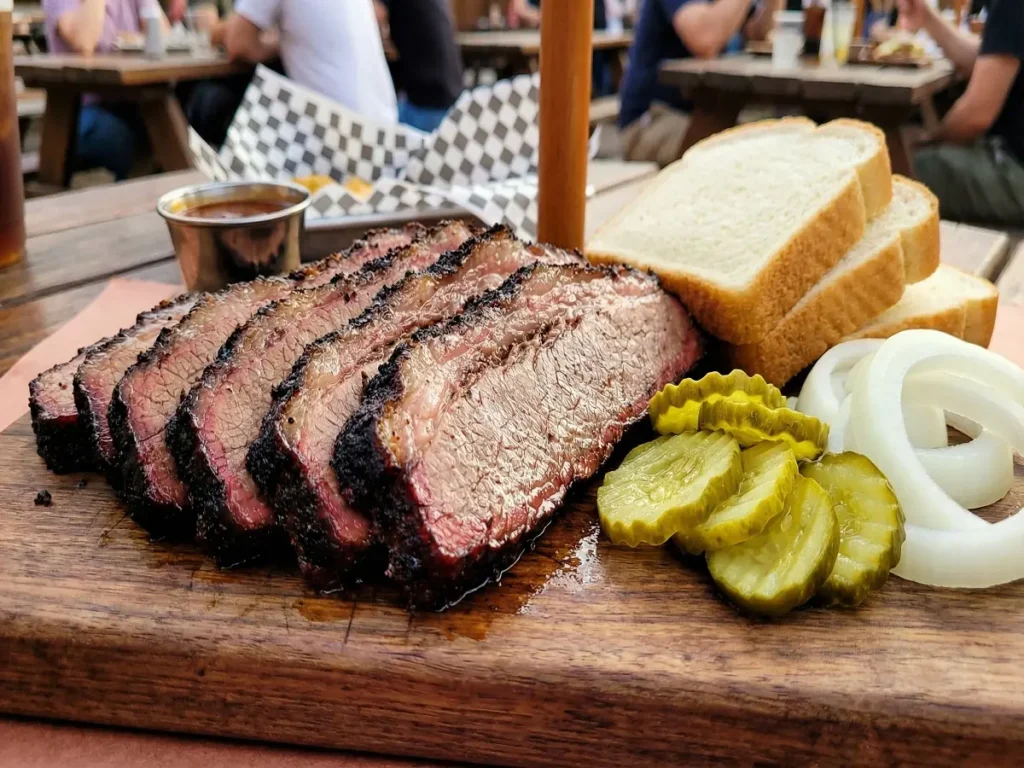
Then slice the brisket against the grain. The flat and point do not run in the same direction, so many cooks separate them before slicing. Aim for slices about 1/4 inch thick on the flat. If you slice with the grain, even a well-cooked brisket can feel tough.
Common Smoked Brisket Mistakes
The most common brisket mistakes are easy to spot:
- Too little seasoning
- Poor trimming
- wrapping too early
- Pulling by temperature alone
- Skipping the rest
- Slicing with the grain
- Starting too late and rushing the cook
Here’s the thing. Most bad brisket comes from one of those mistakes, not from a bad smoker. If you avoid them, your results improve fast. This summary is based on the repeated pain points in the article draft you provided and the reviewed brisket guidance.
Troubleshooting
If your brisket is tough, it is usually undercooked or sliced the wrong way. If it is dry, the flat likely overcooked, the brisket was too lean, or it did not rest long enough. If the bark is soft, you probably wrapped too early or trapped too much steam. If it finished early, hold it in a cooler instead of slicing right away. If the flat is dry but the point is juicy, that usually reflects the natural difference between the two muscles.
Smoked Brisket on Different Cookers
A pellet smoker is the easiest option for beginners because it holds temperature well. An offset smoker gives a more traditional fire-managed barbecue style. A charcoal kettle can also work with indirect heat. An electric smoker is another workable option if it holds steady heat. You can even move the brisket to the oven after wrapping, since wrapped brisket takes on less extra smoke at that stage. This cooker summary is an inference based on the methods and temperature guidance in the reviewed brisket sources.
What to Serve with Smoked Brisket
Smoked brisket pairs well with simple sides that balance its fertility: pickles, onions, white bread, beans, coleslaw, and potato salad. These are classic U.S. barbecue sides, and they work because they add crunch, acidity, or comfort next to rich beef. This pairing guidance reflects common American barbecue serving patterns.
How to Store and Reheat Leftover Smoked Brisket
Store leftover brisket in the fridge in a covered container with some juices if you have them. For longer storage, freeze it in tight portions. When reheating, use gentle heat and add moisture back with saved juices, tallow, or a little broth. That helps the meat stay softer. Leftover smoked brisket also works well in sandwiches, hash, chili, and tacos.
FAQs
What temp should I smoke brisket?
Smoke brisket at 225°F to 250°F.
When should I wrap brisket?
Wrap when the bark is set, often around 150°F to 165°F.
Is brisket done at 190 or 203?
It is done when it feels probe tender. 203°F is common, but it is not a rule.
How long should brisket rest?
At least 1 hour, and longer if you can hold it warm.
Fat side up or down?
Place the fat side toward the heat source for protection. This is a practical cooking rule, not a USDA safety rule.
Can I smoke brisket the day before?
Yes. Chill it safely, then reheat it gently with moisture.