Chipotle Bowl Menu: Ingredients, Prices, and 7 Best Options
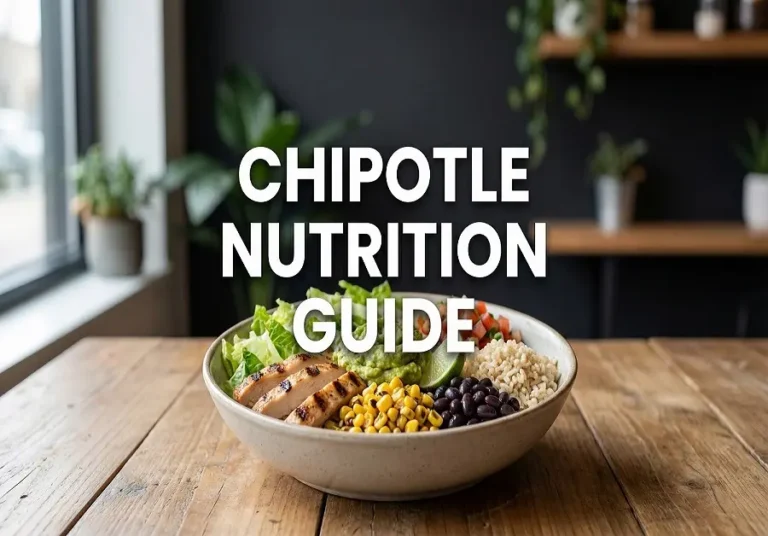
If you are trying to figure out the Chipotle bowl menu, this guide is for you. A Chipotle bowl gives you the same main fillings you would get in a burrito, but without the tortilla. That makes it easier to mix proteins, rice, beans, salsa, cheese, guacamole, and other toppings in one bowl. Chipotle’s official nutrition menu lists the burrito bowl at 420 to 910 calories, which shows how much the total can change based on what you add.
What this really means is simple: a bowl works well for people who want more control. Some want a filling lunch. Some want a high protein meal. Some want to skip the tortilla and keep things lighter. This page breaks down the bowl menu, the main ingredients, the current protein choices, and the extras that can change both taste and price.
What Is a Chipotle Bowl?
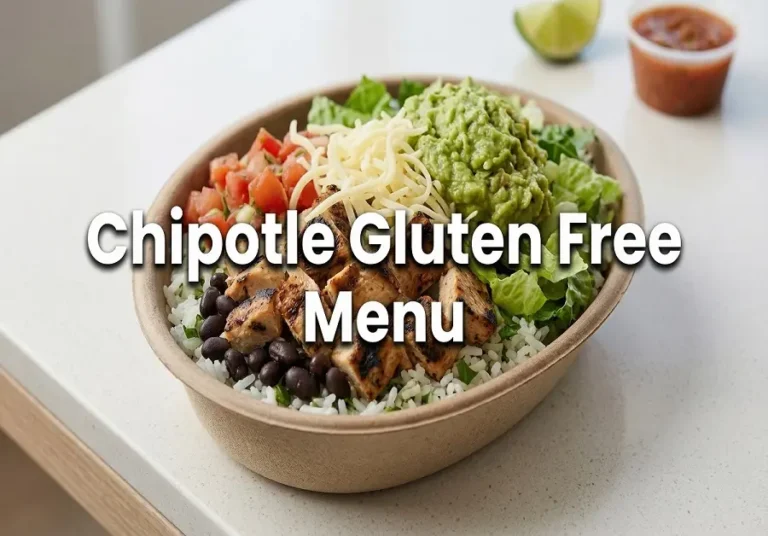
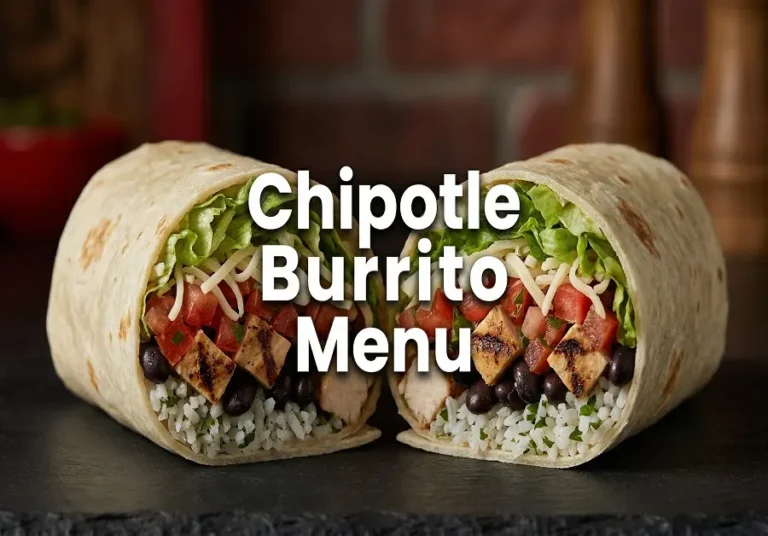
A Chipotle bowl is the bowl version of a burrito. The big difference is that it comes without the tortilla. Chipotle’s nutrition menu says it is just like a burrito, but served in a bowl with no tortilla.
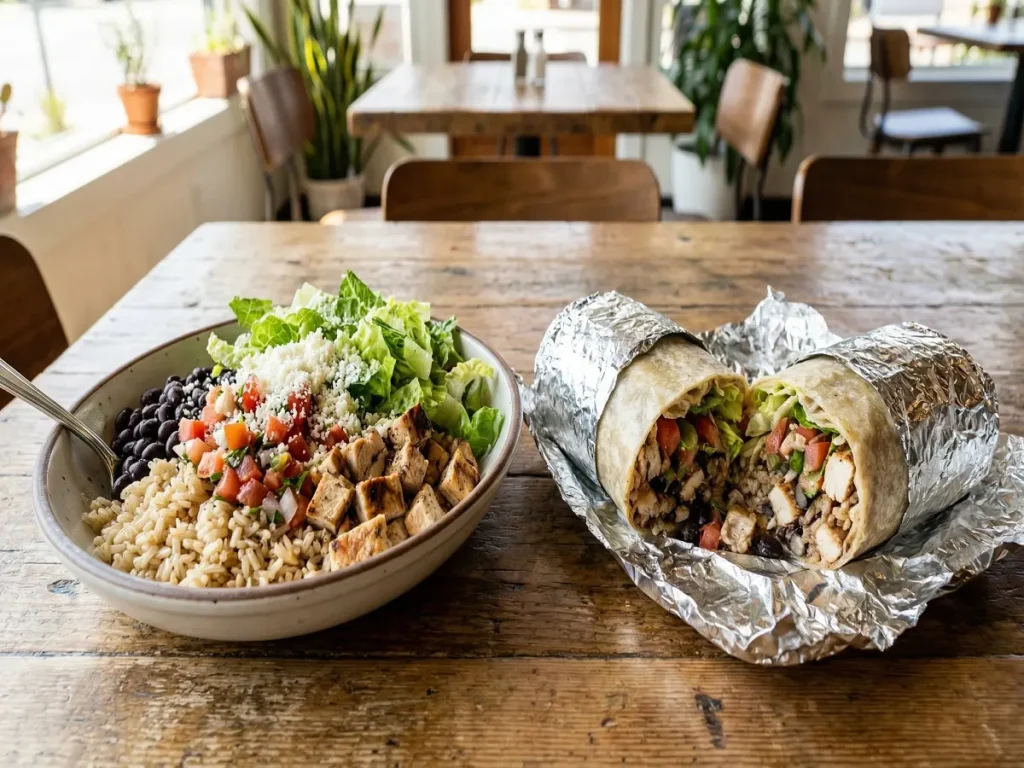
That small change matters. Without the tortilla, the meal feels easier to customize. You can go heavy on rice and beans, keep it low carb with greens, add extra salsa, or build it around protein. Many people also find bowls easier to eat, easier to track for calories, and easier to adjust for taste.
Here’s the thing: a burrito wraps everything into one fixed format. A bowl gives you more control.
Chipotle Bowl Menu at a Glance
The Chipotle bowl menu mostly falls into two groups:
Burrito bowls and Lifestyle Bowls.
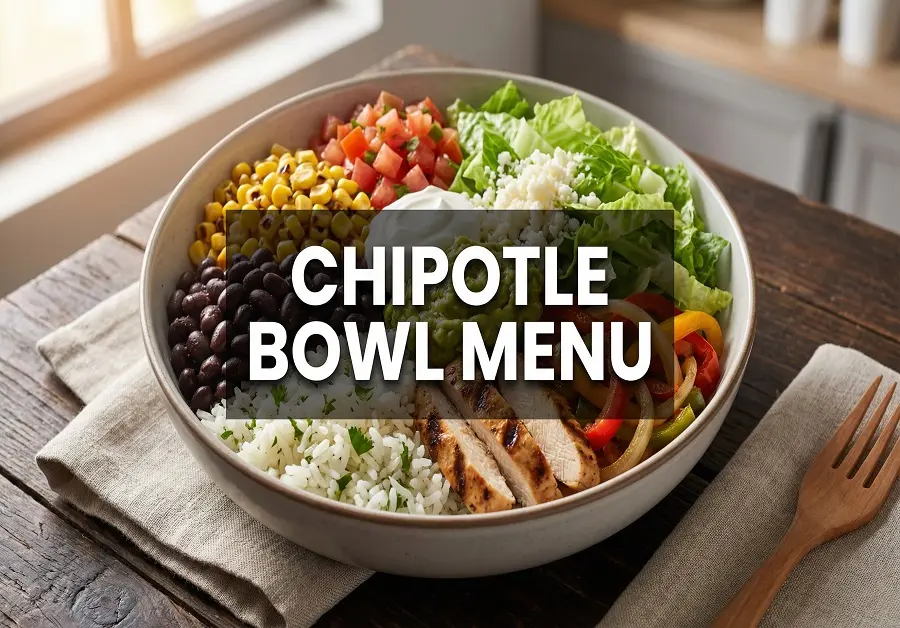
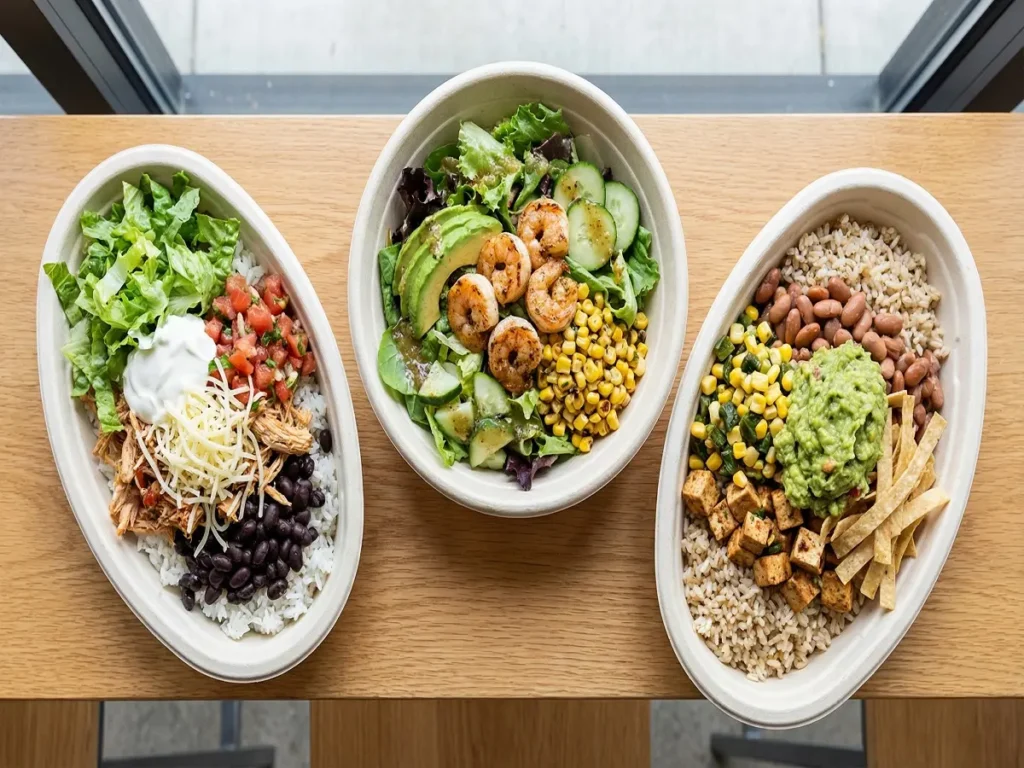
A burrito bowl is the standard build your own option. You pick your base, beans, protein, salsa, and extras. This is the bowl most people mean when they search for the Chipotle bowl menu. Chipotle’s official menu includes burrito bowls as a core entrée.
Lifestyle Bowls are pre set bowl combinations made for people who want a faster choice or a goal based meal. Chipotle has supported these as options for goals like keto, paleo, gluten free, grain free, vegan, and vegan.
So if you want full control, go with a burrito bowl. If you want a quicker pick with a set style, a Lifestyle Bowl may fit better.
It is also worth noting that Chipotle’s menu can change. Some proteins or featured bowls may be limited-time offers. Right now, Chicken al Pastor is back as a limited-time protein in the U.S., according to Chipotle’s January 2026 newsroom release and current Chicken al Pastor page.
What Comes in a Chipotle Bowl?
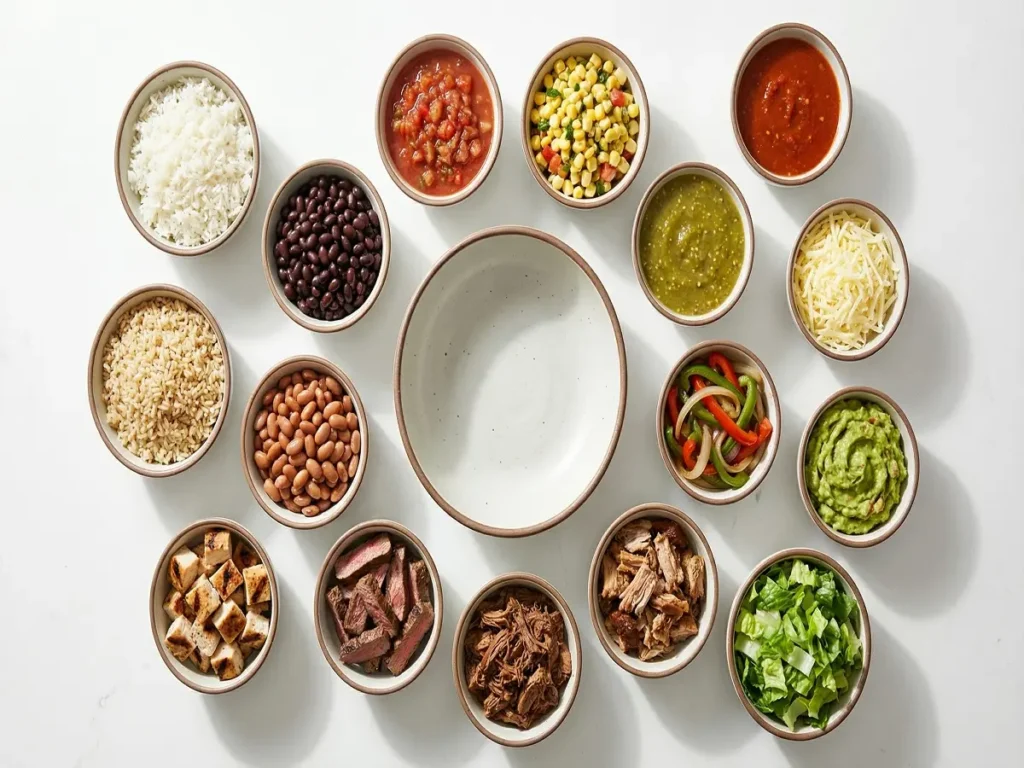
A Chipotle bowl can be built from several main parts: base, beans, protein, toppings, and premium extras. The exact mix depends on what you choose.
Base Options
The base is the first thing that shapes the bowl.
Most people start with cilantro lime rice. Chipotle’s ingredients list includes both white rice and brown rice and the nutrition calculator also shows these as bowl build options.
If you want to skip rice, that is an option too. A no rice bowl works for people who want fewer carbs or just want the protein and toppings to stand out more.
You can also go with greens for a salad style bowl. Chipotle’s official menu describes salads as using chopped romaine lettuce, baby kale and baby spinach. That makes greens a good pick for people who want a fresher, lighter base.
- Chipotle rice options
- Chipotle salad menu
- Best low-carb meals at Chipotle
Bean Options
Chipotle gives you two main bean choices:
- Black beans
- Pinto beans
Both add texture, flavor, and more protein to the bowl. Chipotle’s high protein page also points out that black beans and pinto beans are good ways to add more protein rich ingredients to a meal.
Black beans usually fit people who want a firmer texture. Pinto beans are a softer choice and can make the bowl feel richer.
Protein Options
Protein is usually the part that decides both the flavor and the price of the bowl.
Chipotle’s current protein lineup includes:
- Chicken
- Steak
- Barbacoa
- Carnitas
- Sofritas
- Veggie
Chicken is one of the most popular picks, and Chipotle says one serving of chicken in a burrito or bowl has 32 grams of protein. Steak, barbacoa, and carnitas are also featured by Chipotle as strong protein choices. Sofritas is the plant based protein option, while veggie bowls usually rely on beans, rice, fajita veggies, salsa, cheese and guacamole depending on the order.
There is also a current limited time protein to know about. Chipotle stated the arrival of Chicken al Pastor in the U.S. in January 2026, and its current menu page says guests can customize burrito bowls with it for a limited time.
That makes Chicken al Pastor worth mentioning in your article, but it should be clearly labeled as limited time so the page stays accurate.
Useful internal link ideas:
- Chipotle chicken nutrition
- Chipotle protein menu
- Best high protein Chipotle orders
Toppings and Extras
This is where a Chipotle bowl really takes shape. The current official bowl ingredients and nutrition pages include these common toppings and extras:
- Fajita veggies
- Fresh tomato salsa
- Roasted chili corn salsa
- Tomatillo green chili salsa
- Tomatillo red chili salsa
- Sour cream
- Cheese
- Queso blanco
- Guacamole
Chipotle’s nutrition calculator also shows a newer sauce option, cilantro lime sauce, as part of its current nutrition menu. Some of these toppings change the bowl a lot. Guacamole and queso blanco usually make it richer and can raise the price.
Salsa and fajita veggies add flavor without making the bowl feel too heavy. Sour cream and cheese can make the bowl creamier and more filling.
- mild salsa
- medium salsa
- spicy salsa
- premium add ons
- fresh toppings
- custom bowl choices
These terms fit the topic well and help cover how users actually think about ordering.
How to Build Your Own Chipotle Bowl
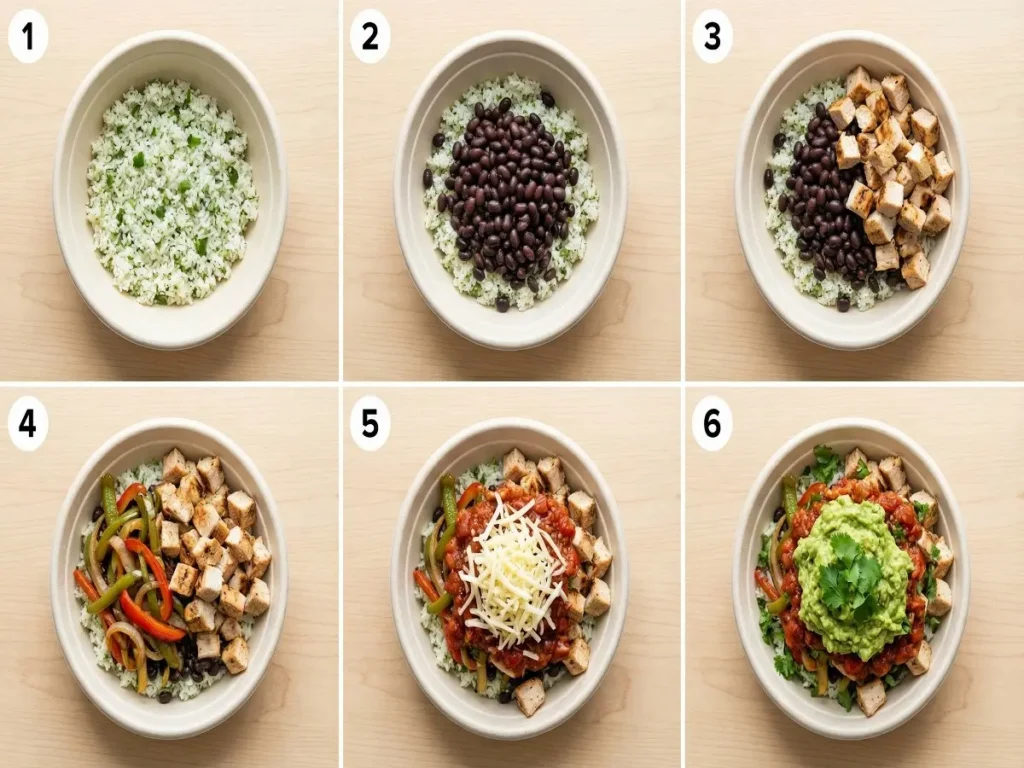
Building your own Chipotle bowl is simple once you know the order. Start with the base, then add beans, protein, toppings, and any premium extras you want. Chipotle’s current nutrition and order pages show these as the main parts of a bowl.
Choose Your Base
Your base sets the feel of the whole bowl. Most people choose white rice or brown rice. If you want to keep the bowl lighter, you can skip rice. If you want a salad style bowl, greens are a better fit. Chipotle’s official menu and nutrition pages list both rice options and salad greens as current choices.
Choose Beans
After that, pick your beans. Chipotle offers black beans and pinto beans. Both add texture and make the bowl more filling. Some people go with black beans for a firmer bite, while pinto beans feel a little softer and richer. Chipotle’s nutrition tools show both as standard bowl ingredients.
Choose Your Protein
Protein is the part that shapes the flavor most. Current official options include chicken, steak, barbacoa, carnitas, sofritas, and veggie, and Chipotle’s bowl nutrition page also shows Chicken al Pastor as a live limited-time option right now.
If you want a safer crowd-pleaser, chicken is usually the easiest pick. Steak gives a beefier taste. Barbacoa is richer and more seasoned. Carnitas brings a softer pork option. Sofritas works well for people who want a plant-based protein. Veggie bowls are a good fit for people who want to build the bowl around beans, rice, fajita veggies, salsa, and guacamole.
Add Toppings
This is where the bowl becomes your bowl. Official topping choices include fajita veggies, fresh tomato salsa, roasted chili-corn salsa, tomatillo-green chili salsa, tomatillo-red chili salsa, sour cream, cheese, queso blanco, guacamole, and cilantro lime sauce.
A simple rule helps here. If you want more freshness, lean on salsa and fajita veggies. If you want the bowl creamier and heavier, cheese, sour cream, queso blanco, and guacamole do that fast. That balance matters because toppings can change both the taste and the final calorie count.
Finish With Premium Extras
The main premium extras are usually queso blanco and guacamole. These can make the bowl feel richer, but they can also push the total price higher. On many Chipotle price pages, guac, queso, and tortillas on the side are listed as common extra charges, while Chipotle itself notes that menu prices vary by location.
Quick Tip for Balancing Flavor, Calories, and Cost
Here’s the thing: the best bowl is usually the one that keeps one goal clear. If you want better value, use more free toppings like beans, salsa, and fajita veggies before paying for extras. If you want fewer calories, skip heavy add-ons like queso blanco and go easier on sour cream and cheese. If you want more protein, start with chicken or another protein first build and add beans for extra support. Chipotle’s official nutrition pages make it clear that bowl totals can change a lot based on what you choose.
Chipotle Bowl Calories and Nutrition
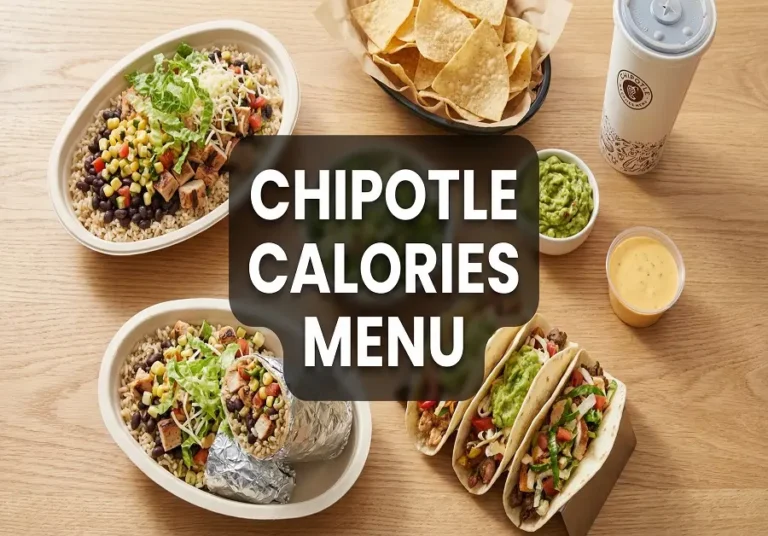
Chipotle’s official U.S. nutrition menu says a burrito bowl ranges from 420 to 910 calories. That is a wide range, and it tells you something important right away: there is no single calorie total for every Chipotle bowl. The final number depends on the base, protein, toppings, and extras you pick.
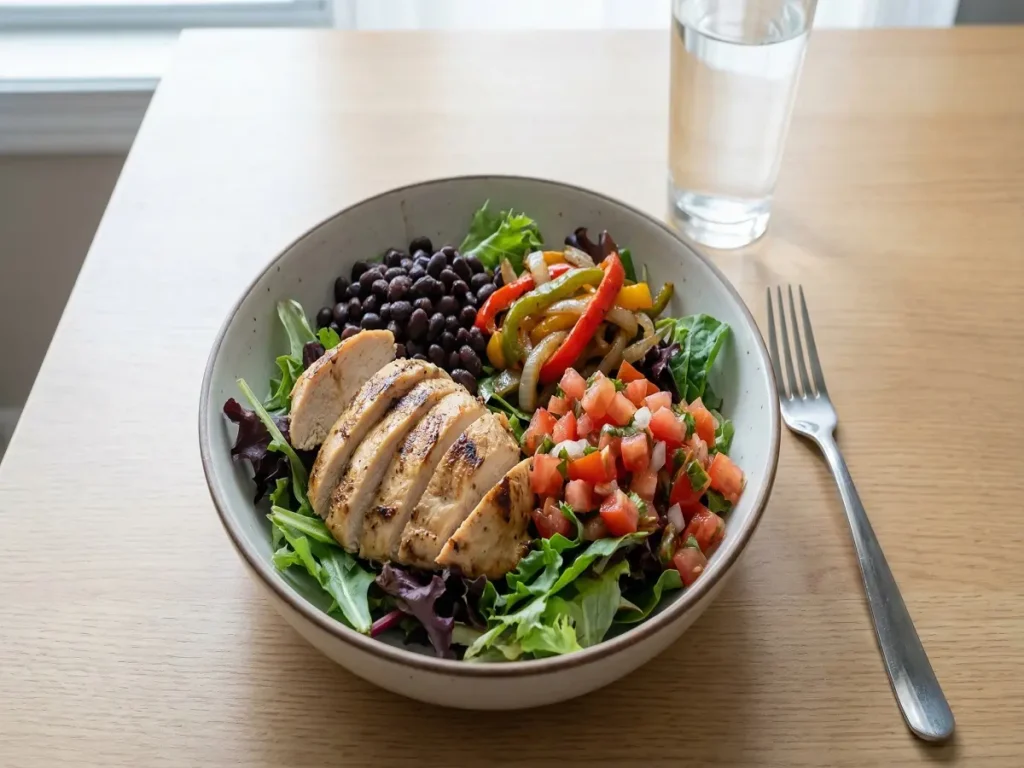
Some ingredients raise calories faster than others. The tortilla is one reason burritos land higher than bowls, with Chipotle listing the tortilla at 320 calories on its nutrition pages. For bowls, rich add-ons such as guacamole, queso blanco, sour cream, and cheese tend to raise the total more than salsa or fajita veggies.
If you want lighter choices, a simple bowl build works best. Start with greens or a lighter rice choice, keep the toppings fresh, and use salsa and fajita veggies to add flavor. Chipotle’s own nutrition tools make it easy to see that salsa-based builds stay lighter than bowls stacked with multiple creamy extras.
If you want a higher protein bowl, chicken is one of the strongest starting points. Chipotle’s official high-protein page says every serving of chicken in your bowl or burrito has 32 grams of protein. The nutrition page also lists protein amounts for other items, such as steak at 21 grams and Chicken al Pastor at 23 grams per serving.
What this really means is simple. A Chipotle bowl can be a lighter lunch, a filling dinner, or a more protein-focused meal. It all depends on how you build it.
Chipotle Bowl Prices in the USA
Chipotle bowl prices in the U.S. are not fixed everywhere. Chipotle’s official site and menu materials make it clear that prices can vary by location. Third-party menu trackers also say their published totals come from specific stores and may not match your local restaurant.
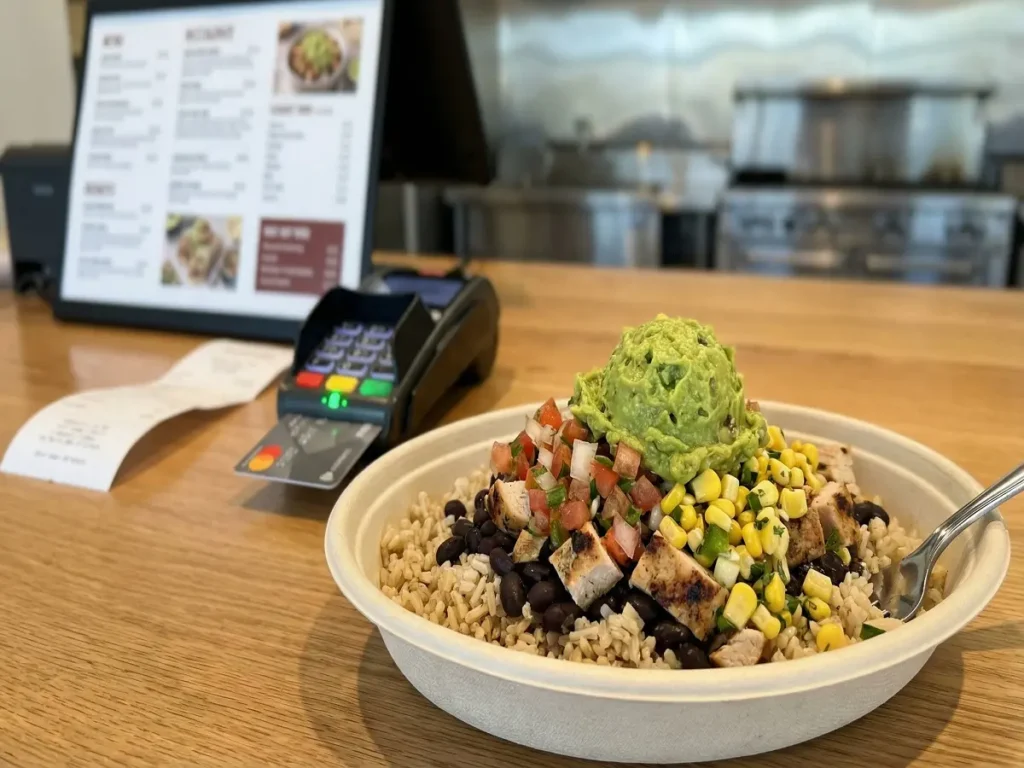
As a practical range, most standard Chipotle bowls usually fall in the about $9 to $13+ range before premium extras, depending on the protein you choose. Chicken and veggie bowls are often on the lower side, while steak and limited-time proteins can cost more. That range fits current menu-price coverage, but your local store may be higher or lower.
Common add ons can raise the total fast. Guacamole, queso blanco and a tortilla on the side are all common examples of extras that may add to the price. Fast Food Menu Prices lists tortillas on the side as an extra charge item on its current Chipotle prices page.
So if your article includes a price section, the smart move is to use ranges, explain that location matters, and avoid acting like one number fits every store in the U.S. That keeps the page more accurate and more useful.
Best Chipotle Bowl Combinations to Try
This is where your article can do more than a basic menu page. A lot of people do not want a list. They want a good bowl idea they can order right away.
Best Classic Chicken Bowl
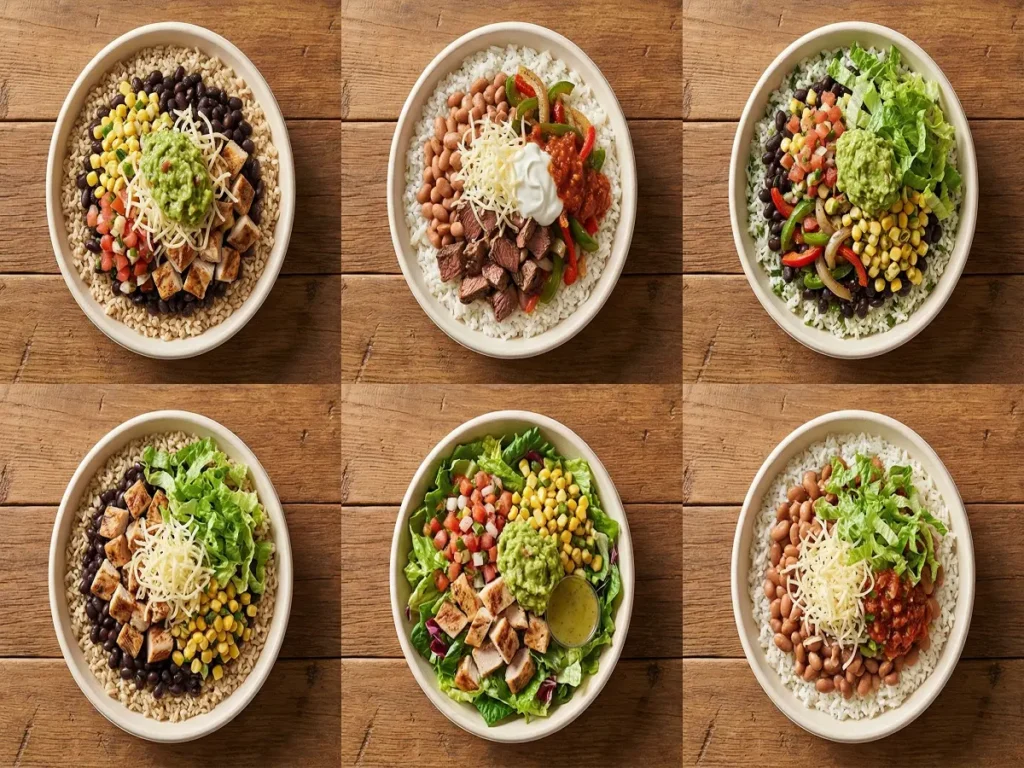
A classic chicken bowl works well with white rice, black beans, chicken, fresh tomato salsa, roasted chili-corn salsa, cheese, and a little sour cream. Chicken is one of Chipotle’s most popular proteins, and it also gives the bowl a strong protein base.
Best Steak Bowl
For a stronger beef flavor, a steak bowl works best with brown rice, pinto beans, steak, fajita veggies, tomatillo-green chili salsa, cheese, and guacamole. Steak has less protein than chicken per serving, based on Chipotle’s official nutrition page, but it still gives the bowl a rich, savory taste.
Best Veggie Bowl
A good veggie bowl can start with brown rice, black beans, fajita veggies, fresh tomato salsa, roasted chili corn salsa, cheese, and guacamole. This kind of bowl feels full even without meat because beans, rice, and guac add texture and substance. Chipotle also offers sofritas if someone wants a plant-based protein instead of a straight veggie build.
Best High Protein Bowl
A high-protein bowl should start with chicken, black beans, fajita veggies, fresh tomato salsa, and cheese, with fewer extras that add calories but little protein. Chicken is the key part here because Chipotle says one serving gives 32 grams of protein. The company also launched a High Protein Menu in late 2025, which shows how much demand there is for this kind of order.
Best Lower-Calorie Bowl
For a brighter bowl, go with greens, black beans, chicken, fajita veggies, fresh tomato salsa, and tomatillo green chili tap. Skip queso blanco, go easy on sour cream, and leave out guacamole if calories are your main concern. Chipotle’s official calorie range for bowls shows how much a lighter build can differ from a heavier one.
Best Value Bowl
A strong value bowl is usually white rice, both bean types if allowed at your store, chicken, fajita veggies, fresh tomato salsa, roasted chili corn salsa, cheese, and lettuce, while skipping premium add ons unless you really want them. The idea here is simple: use the included ingredients well before paying extra for guac, queso, or side items. Price tracking pages also note that tortillas on the side can cost extra, so they are not always the best move for value-focused orders.
These bowl ideas help your page do something the menu only pages do not do well. They turn a list of ingredients into real order choices. That is useful for readers, and it also helps cover more of the full search intent around the keyword chipotle bowl menu.
Burrito Bowl vs Lifestyle Bowls
A burrito bowl is the standard Chipotle bowl. It gives you full control over the build. You choose the base, beans, protein, salsa, and extras. Chipotle’s official menu treats the burrito bowl as a core entrée, and its nutrition pages show it as a fully customizable item.
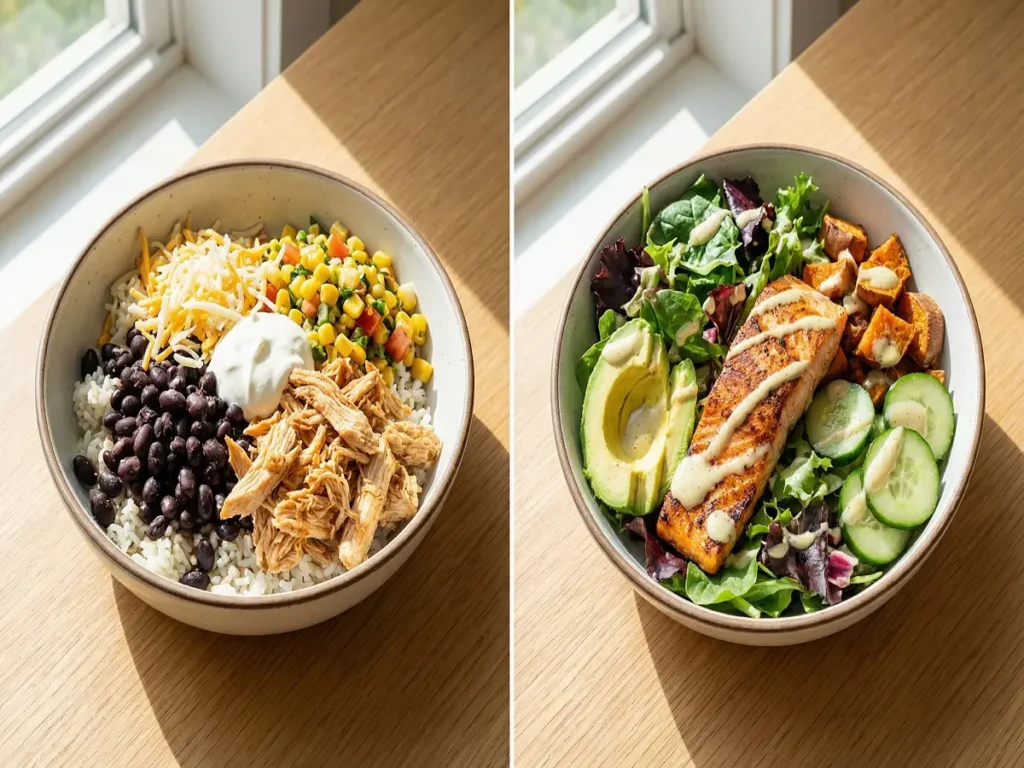
Lifestyle Bowls are different. These are pre-set bowls built around eating goals or diet styles. Chipotle has promoted Lifestyle Bowls for plans like keto, paleo, vegan, vegetarian, gluten free, and Whole30. They are made for people who want a ready-made option instead of building from scratch.
So who is each one best for? A burrito bowl works best for people who want freedom, custom flavor, or a specific mix of calories and protein. A Lifestyle Bowl works better for people who want a faster choice with a clear goal already built in.
Here’s the simple way to choose. Pick a burrito bowl if you want to control every part of the meal. Pick a Lifestyle Bowl if you want Chipotle to do more of the planning for you.
Tips for Ordering a Better Chipotle Bowl
A better Chipotle bowl usually starts with using the included toppings well. Beans, salsa, fajita veggies, and lettuce can add flavor, texture, and volume without pushing the total as high as premium extras. Chipotle’s official ingredient and nutrition tools show these as standard bowl choices.
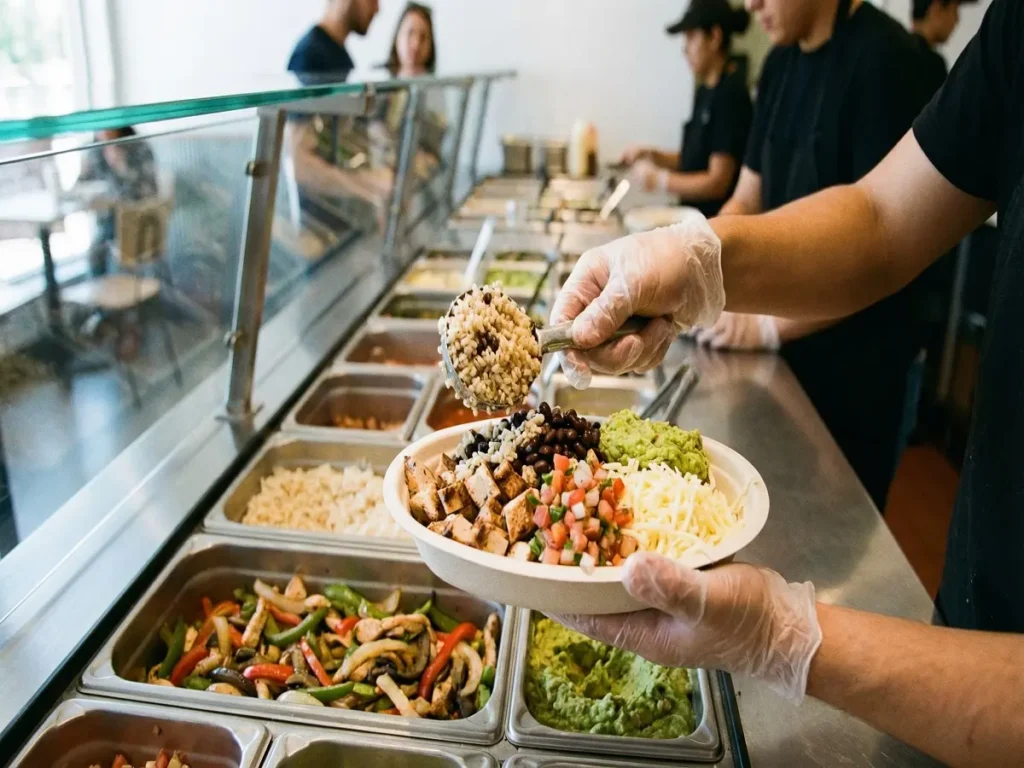
It also helps to know which extras can raise the price. Guacamole, queso blanco, and side items like a tortilla on the side are common examples that can cost more, and Chipotle notes that prices vary by location. Third-party price trackers also list those as typical add-on charges.
The smartest way to order is to decide your goal first. If taste matters most, go heavier on cheese, salsa, guac, or queso. If macros matter more, build around protein, beans, and lighter toppings. If value is the goal, use included toppings well before paying for extras. Chipotle’s official bowl nutrition range shows how much the total can change based on your build.
Some third party guides also mention free extra toppings or split protein ideas. Those tips can be useful in real life, but they should be treated as practical suggestions, not fixed policy in every store. Local staff and store rules can differ.
Is a Chipotle Bowl Healthy?
A Chipotle bowl can be healthy, but it depends on what goes into it. Chipotle’s official nutrition menu lists burrito bowls at 420 to 910 calories, which shows that one bowl can be much lighter or much heavier than another.
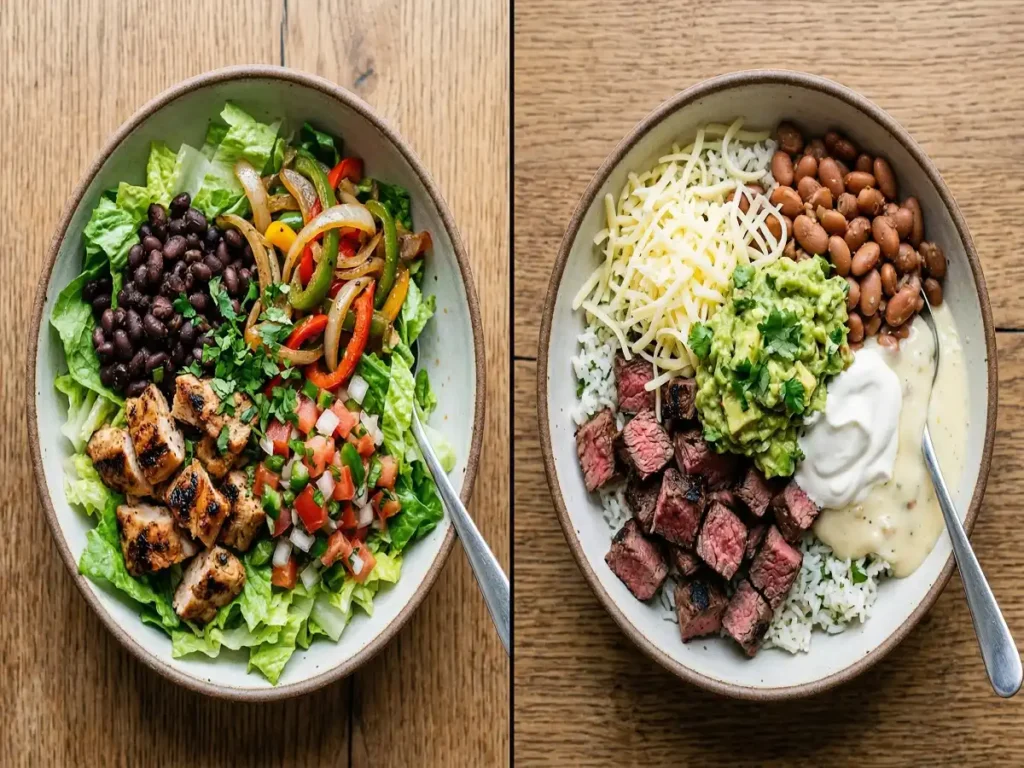
A lighter bowl usually leans on greens or a simpler base, a lean protein, beans, salsa, and fajita veggies. A heavier bowl usually stacks richer toppings like cheese, sour cream, queso blanco, and guacamole. That is why two bowls from the same restaurant can feel very different.
Protein-focused bowls are also a strong option for people who want a more filling meal. Chipotle’s high-protein page says one serving of chicken in a bowl or burrito has 32 grams of protein, which makes chicken one of the strongest picks for a protein-first order.
What this really means is simple. A Chipotle bowl can fit a lot of eating styles. It can be lighter, higher in protein, more filling, or more indulgent. The health factor depends on the base, protein, and toppings you choose.
FAQs
What comes in a Chipotle bowl?
A Chipotle bowl can include rice or greens, black or pinto beans, a protein such as chicken or steak, salsa, fajita veggies, cheese, sour cream, queso blanco, guacamole, and other toppings. The final mix depends on how you build it.
Can you build your own Chipotle bowl?
Yes. The standard burrito bowl is fully customizable. You choose the base, beans, protein, toppings, and extras.
How much does a Chipotle bowl cost?
Chipotle bowl prices vary by protein and location. In many U.S. locations, a standard bowl is often around $9 to $13+ before premium extras like guacamole or queso.
How many calories are in a Chipotle bowl?
Chipotle’s official nutrition menu says a burrito bowl ranges from 420 to 910 calories depending on the ingredients you choose.
What is the healthiest Chipotle bowl?
The healthiest Chipotle bowl is usually the one built with a lighter base, a solid protein, beans, salsa, and veggie heavy toppings while keeping rich extras more limited. There is no single healthiest bowl for everyone because it depends on your goal.
Are Chipotle bowls gluten free?
Chipotle lists several menu items as suitable for a gluten free lifestyle, including burrito bowls when built without gluten-containing items. For people with celiac disease or a higher sensitivity, Chipotle also gives allergen and cross contact guidance on its official nutrition resources.
What is the difference between a burrito bowl and a lifestyle bowl?
A burrito bowl is the standard build your own bowl. A Lifestyle Bowl is a pre set option built around a diet style or eating goal like keto, paleo, vegan, or gluten free.